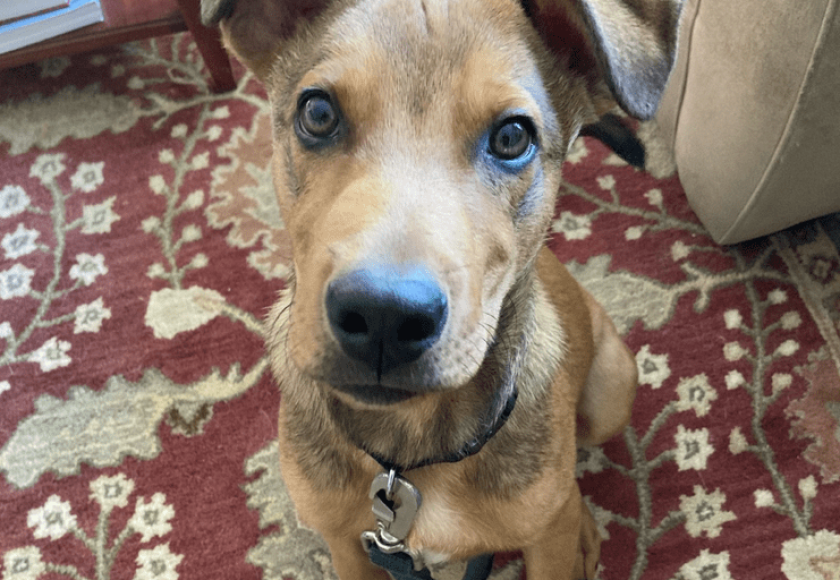

At Putnam Service Dogs, we exclusively train service dogs.
We’re often asked if we train emotional support dogs. And that question is exactly why this conversation matters.
Our release dogs become emotional support dogs when they’re released from our
training program. There are no training requirements for an emotional support dog (no minimum length of time or minimum # of hours trained).

Rather than just adopting our release dogs to a loving home, we go the extra step and adopt them to someone who will be a loving home who also has disabilities.
 All our dogs therefore help someone with disabilities – either our highly trained service dogs with public access rights, or our release dogs who are better trained when released than most pet dogs but will not have public access rights since they’re emotional support dogs.
Service dogs and emotional support dogs both change lives—but they do so in very different ways. The distinction isn’t about status or labels. It’s about training, responsibility, legal protections, and the real-world impact on the people and dogs who rely on this work being done correctly.
Let’s walk through it together.
What Is a Service Dog?
A service dog is a highly trained working dog who performs specific tasks to help a person with a disability(s). The dog assists the person to do tasks the person is unable to do for themself.
These tasks are not optional. They are not emotional guesses. They are trained, practiced, and reliable responses to a real medical or physical need.
Service dogs are trained to help with tasks like:
- Alerting to seizures or medical episodes
- Assisting with mobility or balance
- Retrieving dropped items or opening doors
- Interrupting PTSD episodes or grounding a handler during panic attacks
- Providing physical support during moments of instability
At Putnam Service Dogs, we place service dogs with:
- People with physical disabilities (other than blindness) as mobility assistance or hearing alert service dogs
- Veterans living with PTSD
Each dog is trained over two years, with careful attention to temperament, task reliability, and the ability to remain calm and focused in real-world environments.
When you see a service dog team out in public, the service dog isn’t just present. They’re actively working. The dog will also assist their person as needed inside their home. One of the many requirements of a service dog is they’re willing to interrupt their nap, their window gazing, etc to come and assist the person when requested. They’re available to their person 24/7 as needed.
What Is an Emotional Support Dog (Animal)?
An emotional support dog (ESA) provides comfort simply by being there.
Their presence can ease anxiety, depression, loneliness, and stress. For many people, that emotional connection is life-changing.
But here’s the key difference:
Emotional support dogs are not trained to perform specific disability-related tasks.
They do not go through formal task training. They are not required to meet public-access behavior standards. And they are not considered working dogs under federal law.
That doesn’t make them less important—it just makes their role different.
The Legal Difference Between a Service Dog & Emotional Support Animal
Understanding the law protects everyone—handlers, dogs, businesses, and the public.
Service Dogs (Under the ADA):
- Are legally allowed in public places where pets are not
- Must be trained to perform specific tasks related to a disability
- Are protected under the Americans with Disabilities Act (ADA)
Emotional Support Dogs:
- Do not have public access rights
- Are not covered by the ADA
- May have limited housing protections (with proper documentation)
Calling an emotional support dog a service dog—intentionally or not—can create real harm. It can lead to stricter access challenges for legitimate service dog teams and put untrained dogs in situations they’re not prepared for.
Training: The Difference You Can’t See at a Glance
To an outside observer, both dogs might look calm, loving, and well-behaved.
The difference is what happens when something goes wrong.
A service dog is trained to respond:
- Automatically
- Consistently
- Under stress
- In crowded, noisy, unpredictable environments
That level of reliability doesn’t happen by accident. It happens through years of training, testing, and real-world exposure.
An emotional support dog, while deeply bonded to their person, is not trained for those moments—and shouldn’t be expected to be.
Why We Care About This Distinction
We place our service dogs free of charge with people whose daily lives depend on that partnership working.
That means:
- Not every applicant is approved
- Not every dog in our training program is placed as a service dog
- And not every good dog becomes a service dog
The right match matters. The training matters. The honesty matters.
Because when a service dog is working, they’re not just being a good dog—they’re helping someone live safely, independently, and with dignity.
A Final Word
If you love your emotional support dog, that love is real. If their presence helps you breathe easier or feel less alone, that matters.
And if someone relies on a service dog, that partnership deserves respect, understanding, and protection.
Different roles. Different training. Same deep bond.
That’s the heart of it.
Want to learn more about how service dogs are trained, matched, and placed at Putnam Service Dogs? Explore our training journey or learn how you can support the work that makes these partnerships possible.
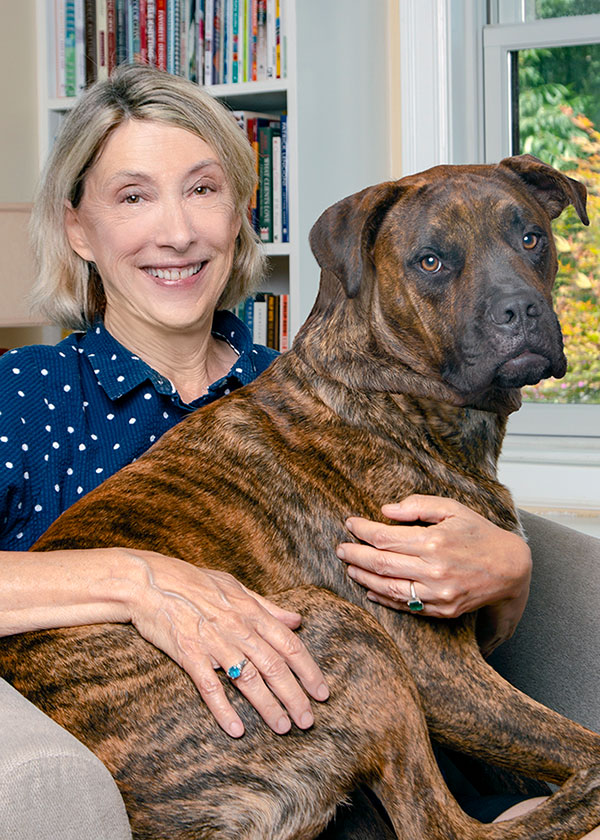
Nancy Teague, the founder of Putnam Service Dogs, is a dedicated advocate who embodies the mission of the organization every single day. Alongside the passionate individuals who have joined the cause, she works tirelessly to make a difference in the lives of both people and dogs. With an unwavering commitment to championing service dogs, Nancy understands the transformative power that occurs when a service dog is matched with its recipient, forging a remarkable team.